
- Home/
- Buy Clomid Online in the United Kingdom Safely and Conveniently
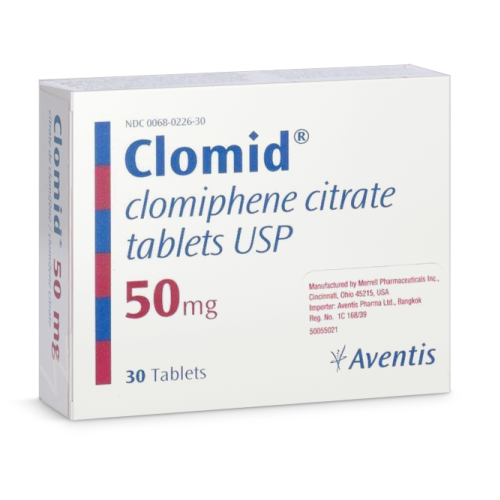
| Name of medicine | Clomid |
|---|---|
| Main ingredient | Clomiphene citrate |
| Approved uses | Female infertility linked to ovulation disorders |
| Tablets available | 50 mg |
| How soon it starts working | Within 5–10 days after start of first course |
| How long effect lasts | Typically covers one ovulation cycle per course |
| How to take | Once daily for 5 days early in cycle (as advised by doctor) |
| Prescription required in UK? | Yes, NHS or private prescription |
| Average pharmacy price (UK) | £10–£30 per course (excluding consultation) |
Clomid for Female Infertility: Your Options in the United Kingdom
Clomid (clomiphene citrate) is a prescription medicine used to help women with certain types of infertility, especially when irregular ovulation is the cause. It is legally prescribable and available in the United Kingdom through NHS and private clinics, under the supervision of a fertility specialist or GP. Below, you’ll find a stepwise guide through the decisions and practicalities of using Clomid in the UK context—from understanding your diagnosis to making a confident, informed choice.
Infertility: How Common and Manageable Is It?
Infertility affects more people than most realise, and successful treatment is possible. According to the Human Fertilisation and Embryology Authority (HFEA), around 1 in 7 couples in the UK experience difficulty conceiving—a statistic echoed by the NHS, 2023. Ovulatory disorders, where eggs do not develop or release properly, are one of the most frequent underlying causes among women. The encouraging fact is that, with targeted interventions like ovulation induction medications, many women go on to achieve pregnancy. Recognising you’re not alone—and that solutions exist—is the first step to regaining control over this part of your health.
How Clomid Works: From Hormones to Action
- Hormone Modulator: Clomid acts on the body’s endocrine system, particularly the hypothalamus and pituitary gland, to boost the release of the hormones (FSH and LH) that trigger egg maturation and ovulation.
- Mechanism in Practice: By blocking oestrogen receptors in the brain, Clomid essentially “tricks” the body into thinking oestrogen levels are low. In response, the pituitary increases FSH and LH, leading to the development and release of an egg.
- What You Might Notice: Most women do not feel overt physical changes immediately, but ovulation typically occurs 5–10 days after the last dose. Tracking with ovulation predictor kits or ultrasound can confirm if the medication is working as intended.
In clinical trials reviewed by the National Institute for Health and Care Excellence (NICE), Clomid has induced ovulation in approximately 70–80% of women with ovulatory dysfunction, resulting in pregnancy for about 30–40% over several cycles (NICE, 2021). However, individual results vary based on age, cause of infertility, and overall health.
Is Clomid Right for Me? Scenarios and Selection Criteria
| Your Situation | Is Clomid Suitable? | Why or Why Not |
|---|---|---|
| You have irregular or absent periods and your doctor has confirmed ovulatory dysfunction with normal ovarian reserve. | Yes | Clomid is commonly prescribed for anovulation when ovarian reserve is sufficient, as it can effectively stimulate ovulation in most of these cases. |
| Your infertility is due to male partner factors, tubal blockage, or advanced maternal age with diminished ovarian reserve. | No | Clomid cannot overcome factors unrelated to ovulation such as blocked fallopian tubes or severe sperm issues. Other treatments are more appropriate. |
| You have polycystic ovary syndrome (PCOS) and are not ovulating regularly, with no contraindication to clomiphene. | Often Yes | Clomid is a first-line treatment for ovulation induction in PCOS, but sometimes other medications (letrozole or metformin) may be considered depending on response and individual risk profile. |
| You have already tried three to six cycles of Clomid without ovulating or becoming pregnant. | No | Further Clomid use is unlikely to help; referral for further assessment or alternative treatments (such as gonadotropins or IVF) is needed. |
| You are breastfeeding or have unexplained abnormal uterine bleeding. | No | Clomid is not recommended during breastfeeding or without clear diagnosis, as safety and effectiveness in these groups are not established. |
If you’re unsure which scenario fits, discussing your personal fertility profile and test results with a reproductive specialist is key before starting any course.
How to Use Clomid: Everyday Practicalities and What to Expect
- When to start: Clomid is usually started on day 2–5 of your menstrual cycle (the first day of your period is day 1). The specific timing will be tailored by your doctor based on your cycle and history.
- How to take: The typical regimen is 50 mg daily (one tablet), taken at the same time each day for five days. In some cases, the dose may be increased to 100 mg daily in subsequent cycles if you do not ovulate at the lower dose.
- With or without food: Clomid can be taken with or without meals; taking it with food may help reduce nausea if this occurs.
- What if you miss a dose? If you forget a tablet and remember within 12 hours, take it as soon as you recall. After that, skip the missed dose and continue as normal—never double up.
- What if it doesn’t work? If ovulation does not occur after three cycles at the maximum prescribed dose, your doctor will typically recommend changing approach rather than continuing Clomid.
- Tracking success: Ovulation can be monitored through ovulation predictor kits, blood tests, or ultrasound scans—discuss the preferred method with your clinic.
- What’s normal, what’s not: Mild hot flushes, breast tenderness, or temporary mood swings can occur and usually resolve after the course. Severe abdominal pain or visual disturbances need prompt medical review (see below).
Safety Profile: Who Should Avoid Clomid and Why?
- Pregnancy: Clomid is contraindicated if you are already pregnant, because it may harm the developing baby.
- Liver disease: Avoid use if you have active liver problems, as the body cannot safely metabolise clomiphene.
- Ovarian cysts (not due to PCOS): Clomid is not suitable if you have large ovarian cysts unrelated to PCOS; it can worsen cysts by stimulating further growth.
- Unexplained abnormal uterine bleeding: Until the cause is identified, Clomid should not be used due to risk of masking underlying conditions (e.g., endometrial or cervical disease).
- Thyroid or adrenal gland issues: Untreated hormonal imbalances may reduce the safety and effectiveness of Clomid; these need addressing first.
- Hypersensitivity: If you have had an allergic reaction to clomiphene or similar compounds in the past, avoid use.
If you have any of these conditions, your fertility team will help select a safer and more effective alternative.
Side Effects: What to Expect and When to Act
- Common and usually mild:
- Hot flushes
- Abdominal discomfort or bloating
- Breast tenderness
- Mood changes or irritability
- Headache
- Infrequent but require medical advice:
- Visual disturbances (blurred or flashing vision)
- Severe pelvic pain or swelling
- Nausea with vomiting that does not subside
- Very rare, but urgent:
- Severe lower abdominal pain, rapid weight gain, or breathing difficulty (may signal ovarian hyperstimulation syndrome – OHSS)
- Signs of allergic reaction: facial swelling, difficulty breathing, hives
Long-term use (beyond six cycles) may increase the risk of ovarian tumours, so courses are generally limited and closely monitored.
Medication Interactions: What Else Should You Watch Out For?
Clomid has relatively few interactions compared to many fertility drugs, but some are important:
- Hormonal treatments: Using other fertility hormones (gonadotropins) alongside Clomid should only be under direct specialist supervision, as the combined effect can increase risks like OHSS.
- Medications affecting liver enzymes: Some antiepileptics, antibiotics, or antifungals may alter how your body processes clomiphene—your doctor may adjust your plan if you use these medicines.
- Supplements and over-the-counter remedies: There is no evidence that most vitamins or herbal supplements interfere, but always inform your doctor about everything you take to ensure safety.
- Alcohol: While moderate alcohol is not strictly prohibited, excessive drinking may impair fertility and liver function. It is wise to minimise intake during treatment.
Comparing Clomid: Alternatives, Effectiveness, and Limitations
| Option | How it works | Who it suits best | Main limitations |
|---|---|---|---|
| Clomid (Clomiphene) | Oral selective oestrogen modulator; triggers the body’s own hormones to induce ovulation | Women with ovulatory dysfunction, especially PCOS, with normal ovarian reserve | Less effective if there are other infertility causes; cannot be used long-term; some risk of side effects |
| Letrozole | Aromatase inhibitor; lowers oestrogen to stimulate ovulation | Often preferred for PCOS, especially if Clomid is not tolerated or ineffective | Not licensed for fertility in UK, but widely used “off label” in many fertility clinics |
| Gonadotropin injections | Direct hormone injections to stimulate ovaries | Women who do not respond to oral agents, or have more complex infertility | Increased cost, complexity, risk of multiple pregnancy and OHSS |
| IVF | Egg retrieval, fertilisation outside the body, and embryo transfer | For women/couples who have not succeeded with simpler treatments, or have severe male factor or tubal issues | Higher cost, more invasive, requires several steps, NHS access limited by criteria |
Clomid remains the first-line option for many women with ovulatory infertility due to its oral form, established safety, and cost-effectiveness—especially when other fertility factors are not present. It is not the best choice if there are additional complexities or after repeated unsuccessful cycles.
What Does Clomid Treatment Actually Cost in the UK?
| Cost item | Amount | Note |
|---|---|---|
| Doctor consultation (private) | £100–£250 | Initial fertility assessment; NHS may cover if eligible |
| Prescription (NHS) | £9.65 per item | Standard NHS England prescription charge; private varies |
| Clomid tablets (private pharmacy) | £10–£30 per course (5 tablets) | Varies by pharmacy and brand |
| Delivery (if bought online with prescription) | £3–£7 | Standard delivery charge; express may cost more |
| Total (private route) | £120–£290 | Consultation, prescription, medication, and delivery |
| Total (NHS route) | As low as £10 (excluding tests/consultation) | With NHS prescription and pharmacy collection |
You cannot legally buy Clomid over the counter or online in the UK without a prescription. Online clinics that offer Clomid must first verify a valid prescription. Beware of unauthorised sellers—counterfeit fertility medications are a documented risk and may endanger your health.
What Else Should I Know Before Deciding?
- How quickly will I get a result? If ovulation is going to occur, it typically happens in the first cycle—but several cycles (up to 6) may be needed before pregnancy, if it is going to happen. Not conceiving after 6 cycles usually means another approach is needed.
- How is Clomid regulated in the UK? The Medicines and Healthcare products Regulatory Agency (MHRA) oversees the safety and quality of clomiphene medicines in the UK. All legal prescriptions and pharmacy sales must comply with MHRA requirements.
- What should I ask my doctor before starting? Be clear about your diagnosis, baseline tests done, any other health issues, and your personal goals and concerns. Ask about monitoring, alternatives, and what to expect if Clomid does not work for you.
- Can I take Clomid more than once? Courses may be repeated, but most clinicians set a limit of six cycles due to diminishing returns and increased risk. Your doctor will advise if it is appropriate to try again or change approach.
Dr. Rachel M., Consultant in Reproductive Medicine, London: “Every woman’s fertility journey is different. Clomid can be life-changing for some, but it’s important to go stepwise, have honest expectations, and trust that your care team will help you adapt the plan as your needs change.”