
- Home/
- Buy Doxycycline Online in the United Kingdom Securely and Easily
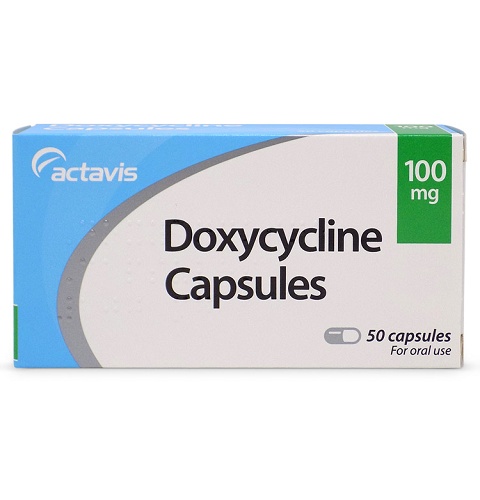
Can Doxycycline Be Purchased Without a Prescription in United Kingdom?
Doxycycline is a prescription-only medication in United Kingdom. You cannot legally buy Doxycycline without a prescription from a qualified healthcare professional. This applies to both community pharmacies and online pharmacies operating within the UK.
Key Takeaways: Doxycycline in United Kingdom (2026)
- Doxycycline is a widely used antibiotic, effective in treating a broad range of infections, including respiratory, skin, urinary tract, and tick-borne diseases.
- In United Kingdom, Doxycycline requires a prescription—obtaining it without a doctor’s approval is illegal and potentially unsafe.
- Doxycycline is generally well-tolerated, but strict adherence to dosing and administration guidelines is essential to avoid resistance and side effects.
- First noticeable improvements typically appear within 48-72 hours, but full courses must always be completed, even if symptoms resolve early.
- Immediate medical advice should be sought if you experience severe side effects, allergic reactions, or if the medication appears ineffective.
- Affordable generic versions are available in UK pharmacies; always use reputable sources to avoid counterfeit drugs.
How Does Doxycycline Work? Mechanism of Action Explained
Doxycycline belongs to the tetracycline class of antibiotics. It works by inhibiting bacterial protein synthesis. Specifically, Doxycycline binds to the 30S ribosomal subunit of susceptible bacteria, blocking the attachment of aminoacyl-tRNA to the messenger RNA-ribosome complex. This prevents the bacteria from producing essential proteins needed for growth and reproduction, ultimately stopping the spread of infection.
Unlike antibiotics that attack cell walls (such as penicillins), Doxycycline’s action is bacteriostatic—it halts bacterial growth, relying on your immune system to clear the infection. Think of it as putting bacteria in a “lockdown” where they can’t multiply, making it easier for your body’s defences to finish the job.
Doxycycline does not rely on external triggers or conditions to work; it is effective as long as the targeted bacteria are present and susceptible. Some resistance can occur, especially with inappropriate or incomplete use.
Myth: Doxycycline kills all bacteria instantly.
Reality: It suppresses bacterial growth, allowing your immune system to clear the infection over time.
How Patient Expectations Can Differ from Antibiotic Realities: A Doctor’s Perspective
In my experience, many patients expect antibiotics such as Doxycycline to provide immediate relief, sometimes within hours. The reality is that while early symptom improvement often begins within 48 to 72 hours, a full clinical response may take longer, especially for deep-seated or chronic infections. Patients commonly stop taking their medication as soon as they feel better, not realising this increases the risk of relapse and antibiotic resistance. I also find that patients rarely ask about interactions with food or supplements, even though these can significantly alter Doxycycline’s effectiveness. It’s important to discuss not only the expected benefits and timeframes but also the importance of completing the full course and informing the doctor about other medications or ongoing symptoms. If your symptoms do not improve as expected, or if new side effects occur, this warrants prompt medical review—something patients sometimes hesitate to do.
How Should Doxycycline Be Taken? Dosage, Duration, and Timing
The exact dosing regimen for Doxycycline in United Kingdom varies by infection type, severity, patient age, and kidney or liver function. Always follow your doctor’s instructions and the medication leaflet.
- Most common adult dose: 100 mg twice daily on the first day (loading dose), then 100 mg once daily. Some infections may require 100 mg twice daily throughout.
- Children (over 12 years): Dose depends on body weight and infection type—consult your paediatrician.
- Elderly patients: No routine dose adjustment is required, but those with impaired kidney or liver function may need modifications.
- Maximum daily dose: Do not exceed 200 mg daily unless specifically instructed by your doctor.
- Tablet splitting: Not all Doxycycline tablets are scored; splitting is not recommended unless the product leaflet specifically allows it.
- Duration: Typically 7–14 days, but always finish the course even if symptoms resolve sooner.
Doxycycline is best taken with a full glass of water, while sitting or standing, and not just before bedtime, to reduce the risk of oesophageal irritation or ulceration.
What Should You Know About Food, Drink, and Lifestyle While Taking Doxycycline?
- Food: Doxycycline’s absorption may be reduced by dairy products, antacids, or supplements containing calcium, magnesium, aluminium, or iron. Take Doxycycline at least 1–2 hours before or after consuming these products.
- Alcohol: Moderate alcohol intake does not generally cause dangerous interactions, but heavy or chronic alcohol use can reduce the effectiveness of Doxycycline and increase liver strain. It’s safest to limit alcohol while on this medicine.
- Grapefruit juice: Not known to have a significant interaction with Doxycycline, but avoid excessive intake as a general precaution.
- Sun exposure: Doxycycline increases sensitivity to sunlight (photosensitivity). Use high-factor sunscreen and avoid tanning beds.
| Product Type | Can It Be Combined? | Consequences |
|---|---|---|
| Milk/Dairy | No (at same time) | Reduces absorption; separate by 2 hours |
| Antacids (calcium, magnesium, aluminium) | No | Greatly reduces efficacy; avoid co-administration |
| Oral contraceptives | Use with caution | May reduce effectiveness; use additional contraception |
| Alcohol (moderate) | Yes, in moderation | May increase liver burden |
| Grapefruit juice | Yes | No significant interaction |
| Warfarin and anticoagulants | Caution | Can increase bleeding risk; monitor closely |
Who Should Not Take Doxycycline? Contraindications and Red Flags
Doxycycline is generally safe when prescribed appropriately, but serious risks exist for certain groups.
- Absolute Contraindications:
- Known allergy to tetracyclines
- Pregnancy (especially second and third trimesters) — risk of fetal bone and dental abnormalities
- Children under 12 years — may cause permanent tooth discolouration and affect bone growth
- Relative Contraindications (use only with medical supervision):
- Impaired liver function or severe hepatic disease
- History of photosensitivity reactions
- Use of anticoagulants (e.g., warfarin) — increased bleeding risk
- History of oesophageal strictures or severe reflux — increased risk of irritation
Doxycycline can be considered after careful assessment in some patients with mild hepatic impairment but must be avoided in severe liver disease. There is no evidence that Doxycycline is contraindicated after a heart attack, but its use should be reviewed in patients with unstable cardiovascular conditions due to possible side effects related to electrolyte balance.
What Side Effects Are Most Common with Doxycycline?
Side effects with Doxycycline are generally mild, but some can be serious. According to UK and EMA data, the most frequently reported adverse effects are:
- Very Common (>1 in 10): Nausea, diarrhoea, abdominal pain
- Common (1 in 100 to 1 in 10): Headache, photosensitivity (skin reaction to sunlight), vomiting, loss of appetite, mild skin rash, yeast (candida) infections
- Rare (1 in 1,000 to 1 in 100): Severe allergic reactions (hives, facial swelling), liver inflammation, severe skin reactions, blood disorders, increased intracranial pressure (rare, more common in children)
- Very Rare (<1 in 10,000): Liver failure, severe anaemia
The most mechanistically important side effects include gastrointestinal upset—caused by disruption of normal gut flora and local mucosal irritation—and photosensitivity, due to increased reaction of skin cells to UV light. Yeast infections are more common in women due to changes in normal vaginal flora.
If you develop severe allergic reactions (swelling, breathing difficulties, rash), stop the medication immediately and seek emergency medical help. For milder side effects, consult your GP before discontinuing.
Mistakes to Avoid When Using Doxycycline: Lessons from UK Clinical Practice
- Stopping treatment too early: Patients often discontinue Doxycycline as soon as they feel better, leading to incomplete eradication of bacteria and increasing the risk of resistance. Always finish the prescribed course.
- Taking with milk, antacids, or supplements: Co-administration with calcium, magnesium, iron, or aluminium greatly reduces absorption and effectiveness. Take Doxycycline on an empty stomach or well-separated from such products.
- Lying down immediately after taking: Taking Doxycycline just before bed or lying down can cause oesophageal irritation or ulcers. Remain upright for at least 30 minutes after each dose.
- Ignoring sun protection: Failing to use sunblock or avoid sun exposure may result in severe sunburn or rashes, especially during summer months in UK.
- Missing doses: Skipping doses reduces efficacy and can contribute to resistance. Try to take it at the same time every day.
- Not informing the doctor about all medications: Failing to disclose other medicines (especially anticoagulants or oral contraceptives) may cause serious interactions.
How Does Doxycycline Compare with Other Antibiotics? Alternatives and Competitors in United Kingdom
Doxycycline is often compared with alternatives like Amoxicillin (a penicillin-type antibiotic) and Clarithromycin (a macrolide). The table below covers key differences:
| Feature | Doxycycline | Amoxicillin | Clarithromycin |
|---|---|---|---|
| Onset of action | 48–72 hours | 24–48 hours | 24–48 hours |
| Duration of course | 7–14 days | 7–10 days | 7–14 days |
| Most common side effects | Nausea, photosensitivity | Rash, diarrhoea | GI upset, taste changes |
| Cost per course (estimate, 2026) | £6–£15 (generic) | £3–£10 (generic) | £8–£20 (generic) |
| Prescription requirement | Yes | Yes | Yes |
| Use in penicillin allergy | Yes | No | Yes |
Bottom line: Doxycycline is preferred for certain infections (e.g., Lyme disease, some respiratory infections, acne) and in patients allergic to penicillins. Amoxicillin is better tolerated but not suitable for those allergic to beta-lactams.
What are Doxycycline’s Technical Characteristics?
| Parameter | Value |
|---|---|
| Available strengths | 50 mg, 100 mg tablets/capsules |
| Formulations | Tablets, capsules, dispersible tablets, oral suspension (paediatric) |
| Administration | Oral (most common), IV (hospital use only) |
| Storage | Store below 25°C, protect from moisture, keep in original packaging |
| Shelf life | 2–3 years (as per packaging) |
How Is Doxycycline Processed in the Body? (Pharmacokinetics Simplified)
- Absorption: Doxycycline is well absorbed from the gut (oral bioavailability 90–100%). High fat meals or dairy can slightly reduce absorption.
- Distribution: Widely distributed in body tissues and fluids, including the lungs and skin.
- Metabolism: Only partially broken down in the liver; most is excreted unchanged.
- Elimination: Primarily via the faeces (bile), with some renal excretion.
- Half-life (T1/2): About 18–22 hours in healthy adults, allowing once or twice daily dosing.
This means Doxycycline can be used safely in most patients with mild to moderate kidney disease without dose adjustment. However, severe liver disease requires caution.
Are There Special Considerations for Certain Patient Groups?
- Elderly: No specific dose adjustment unless severe liver or kidney disease is present.
- Children under 12: Should NOT be used due to risk of permanent tooth and bone effects.
- Pregnancy and breastfeeding: Contraindicated in pregnancy (especially after 15 weeks) because it can harm developing bones and teeth. Small amounts pass into breast milk; use only if clearly necessary and after discussing risks with your doctor.
- Renal impairment: Usually no adjustment needed unless severe; seek specialist advice.
- Driving and machinery: Doxycycline does not typically affect alertness, but dizziness or vision changes can rarely occur. Do not drive if affected.
- Fertility: No evidence that Doxycycline impairs fertility in men or women at recommended doses.
Is It Possible to Buy Doxycycline Cheap or Affordably in United Kingdom?
Yes, generic Doxycycline is widely available in UK pharmacies and is typically affordable, with prices generally ranging from £6–£15 per course. Branded versions may cost more, but the NHS usually dispenses generic forms. Those wishing to buy Doxycycline should do so only from legitimate high street or NHS-connected online pharmacies. Patients may order Doxycycline online through registered services after a remote consultation, but Doxycycline without prescription is not supplied by any legitimate UK pharmacy.
How Can I Obtain Doxycycline in United Kingdom? A Step-by-Step Practical Guide
- Consultation: Book an appointment with your GP or an NHS-registered online doctor (telemedicine services are widely available in London, Manchester, Birmingham, and across the UK).
- Assessment: The doctor will review your symptoms, medical history, allergies, and assess if Doxycycline is a safe and appropriate choice.
- Prescription: If indicated, you will receive an electronic or paper prescription valid in the UK. For online doctors, the prescription is usually sent directly to a partner pharmacy.
- Pharmacy Fulfilment: Collect your medication from a high street pharmacy, supermarket pharmacy, or have it delivered from an NHS-approved online pharmacy.
- Instructions: Follow the pharmacist’s instructions and the patient information leaflet carefully. Ask questions if anything is unclear.
- Follow-up: If side effects occur or symptoms do not resolve, contact your GP for reassessment.
Note: Never attempt to purchase Doxycycline online from non-UK or unregulated websites—counterfeit and unsafe products are common.
How to Identify Legitimate Online Pharmacies in United Kingdom
With the rise of online healthcare, it is essential to recognise a legitimate pharmacy before you buy Doxycycline online. In United Kingdom, look for:
- Registration with the General Pharmaceutical Council (GPhC): Check for the GPhC pharmacy number and the clickable logo at the bottom of the website.
- MHRA (Medicines and Healthcare products Regulatory Agency) logo: This should link to the MHRA register confirming the pharmacy’s legitimacy.
- Prescription requirement: Any website that offers Doxycycline without prescription is not operating legally in the UK.
- Clear UK address and customer support: Verify the pharmacy’s contact details and physical address.
- Patient assessment process: Reputable pharmacies require completion of a medical questionnaire or a telemedicine consultation.
Red flags: Unusually low prices, lack of professional registration, poorly written website content, and offers to send Doxycycline in bulk without any assessment. Buying from such sources carries a risk of counterfeit or unsafe medications.
For further information, see the official MHRA site and the GPhC pharmacy register.
How Can I Tell if My Doxycycline Is Genuine? Counterfeit, Generics, and Quality Assurance
- Original Doxycycline packaging in UK is usually a sealed blister pack within a branded box, with clear font, batch number, expiry date, and the manufacturer’s logo.
- Check for: GPhC and/or MHRA symbols, a patient information leaflet in English, and (for some brands) a QR code or hologram.
- Generics: These are medically equivalent to branded Doxycycline and are produced according to strict UK and EU standards. They may differ in colour, shape, or excipients (inactive ingredients), which can cause rare allergic reactions in sensitive individuals but do not affect efficacy.
- Counterfeits: Unusually low prices, packaging with spelling mistakes, faded printing, or missing batch numbers are strong warning signs. Never purchase Doxycycline cheap from suspicious sources.
If in doubt, consult your pharmacist or check your product on the manufacturer’s website, where available. For more on generics vs branded medicines, see NHS guidance.
What Should I Do If I Suspect an Overdose on Doxycycline?
- Stop taking Doxycycline immediately.
- Call NHS 111 or emergency services (999) for urgent medical advice.
- Tell the medical team exactly how much was taken and when.
- Keep the packaging and leaflet to show healthcare professionals.
- Do not attempt to induce vomiting unless specifically instructed by medical staff.
Symptoms of overdose can include severe nausea, vomiting, dizziness, confusion, or liver damage. Rapid medical intervention can prevent serious complications.
Doctor Answers: Patient Questions on Doxycycline in Real Practice
- How quickly should I expect my symptoms to improve?
- Most patients begin to feel better within 48–72 hours, but it’s crucial to complete the full course even if your symptoms resolve early. Some infections take longer to clear, and stopping early can lead to relapse or resistance.
- What should I do if I miss a dose?
- If you miss a dose, take it as soon as you remember unless it’s nearly time for your next dose—then skip the missed one. Never double up to make up for a missed tablet, as this increases the risk of side effects.
- Can I drink alcohol while on Doxycycline?
- Moderate alcohol use is unlikely to interfere, but heavy drinking can worsen side effects and reduce the antibiotic’s effectiveness. When in doubt, limit or avoid alcohol and focus on hydration and rest.
- Is it safe to use Doxycycline if I’m taking other medications?
- Many medicines, supplements, and antacids can interact with Doxycycline. Always tell your doctor about everything you take, including herbal remedies and over-the-counter products.
- How do I know if Doxycycline is working?
- Symptom relief is the main indicator, but some infections require laboratory follow-up or repeat examination. If symptoms persist or worsen after three days, consult your doctor.
- Will Doxycycline affect my contraceptive pill?
- Doxycycline may reduce the effectiveness of oral contraceptives. Use additional contraception (e.g., condoms) while on antibiotics and for seven days after completion, especially if vomiting or diarrhoea occur.
What Should I Do If Doxycycline Does Not Work?
If you have completed your full course of Doxycycline and symptoms persist or worsen, do not start a new course without consulting your doctor. Persistent infection could signal resistant bacteria, incorrect diagnosis, or an underlying condition requiring further investigation. Your doctor may perform additional tests, change your antibiotic, or refer you to a specialist.
Myth: If one antibiotic doesn’t work, taking more will help.
Reality: Taking the wrong antibiotic or continuing without professional advice can worsen resistance and delay correct treatment.
Psychological Support: You Are Not Alone
Infections and concerns about medication are common and can be stressful. Remember, you’re not alone—thousands in United Kingdom start or complete a course of Doxycycline every week. If you have worries about your diagnosis, potential side effects, or treatment adherence, consider discussing them with your GP or a mental health professional. Open communication helps ensure the best possible outcome.
Clinical Assessment by doctor: Who Benefits Most from Doxycycline?
In my clinical judgment, Doxycycline remains an excellent choice for patients with confirmed or strongly suspected bacterial infections where tetracyclines are indicated—such as acne, certain respiratory tract infections, chlamydia, Lyme disease, and some travel-related diseases like malaria prophylaxis. It is particularly valuable for patients who cannot tolerate penicillins or macrolides due to allergies. However, it is not suitable for young children, pregnant women, or those with severe hepatic impairment. In cases of severe sepsis, hospital-acquired infections, or rapidly progressing illness, alternative (often intravenous) antibiotics may be required. When patients have a history of photosensitivity, gastrointestinal intolerance, or are on interacting medications such as anticoagulants, close monitoring or alternative therapies may be the safer option. I always balance the risks of resistance, side effects, and the patient’s overall health status before prescribing, and I encourage patients to engage actively in these decisions. If response is suboptimal after three days, reassessment and possible change of therapy is warranted.
Frequently Asked Questions about Doxycycline in United Kingdom
- Can I buy Doxycycline without a prescription in United Kingdom?
- No. Doxycycline is prescription-only in the UK. Legitimate pharmacies and online services require a doctor’s approval before dispensing.
- Is it safe to order Doxycycline online?
- Yes, if you use an NHS-linked or GPhC-registered pharmacy that requires a prescription. Avoid sites offering Doxycycline without prescription, as they are not legal or safe.
- How much does Doxycycline cost in pharmacy?
- Generic forms are affordable, typically £6–£15 per standard course. NHS prescriptions are charged at standard rates unless you’re exempt.
- How long do I need to take Doxycycline?
- Most courses last 7–14 days, but your doctor will specify the duration. Always finish the course, even if you feel better earlier.
- What are the most important side effects to watch for?
- Common minor side effects are nausea, diarrhoea, and sunlight sensitivity. Report severe rashes, breathing problems, or persistent vomiting to your doctor immediately.
- Can I purchase Doxycycline cheap in United Kingdom?
- Yes, affordable generic Doxycycline is widely available. If you see prices far below standard, be wary of counterfeit or substandard products.
- Is Doxycycline effective for Covid-19 or viral infections?
- No. Doxycycline is only effective against bacteria, not viruses. It should not be used for viral infections unless prescribed for a confirmed bacterial co-infection.
- How should Doxycycline be stored?
- Store below 25°C, in the original packaging, away from moisture and direct sunlight. Keep out of reach of children.
- Are there any alternatives if I’m allergic to Doxycycline?
- Yes. Your doctor may prescribe macrolides (e.g., Clarithromycin) or quinolones, depending on the infection. Always discuss allergies with your healthcare provider.
- What should I do if I experience severe side effects with Doxycycline?
- Stop the medication and seek medical help immediately, especially for allergic reactions, severe skin rashes, or difficulty breathing.
References
- British National Formulary (BNF). Doxycycline. Accessed 2026. https://bnf.nice.org.uk/drug/doxycycline.html
- NHS. Doxycycline: antibiotic to treat infections. Accessed 2026. https://www.nhs.uk/medicines/doxycycline/
- Medicines and Healthcare products Regulatory Agency (MHRA). Accessed 2026. https://www.gov.uk/government/organisations/medicines-and-healthcare-products-regulatory-agency
- European Medicines Agency (EMA). Doxycycline: Product Information. Accessed 2026. https://www.ema.europa.eu/en
- GPhC (General Pharmaceutical Council). Pharmacy Register. Accessed 2026. https://www.pharmacyregulation.org/
- PubMed. Recent clinical studies on Doxycycline (2023-2026). https://pubmed.ncbi.nlm.nih.gov/