
- Home/
- Buy Antabuse Online in the United Kingdom – Fast UK Delivery
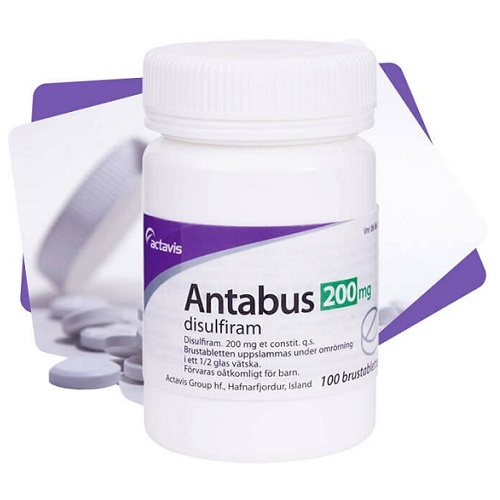
Is it legal to buy Antabuse without prescription in United Kingdom?
No, purchasing Antabuse (Disulfiram) without a valid prescription is illegal and unsafe in United Kingdom. By law, Antabuse is a prescription-only medicine regulated by the Medicines and Healthcare products Regulatory Agency (MHRA). Any legitimate pharmacy—online or high street—will require a prescription from a qualified healthcare professional. Acquiring Antabuse without prescription, including via unregulated websites or individuals, is not only unlawful but also exposes you to serious health and legal risks.
Summary: Antabuse (Disulfiram) at a Glance
| Parameter | Value |
|---|---|
| Active Ingredient | Disulfiram |
| Main Use | Alcohol dependence (as part of a comprehensive treatment programme) |
| Prescription Required in UK? | Yes |
| Typical Starting Dose | 200–500 mg once daily (maintenance usually 100–200 mg) |
| Common Side Effects | Fatigue, headache, skin rash, metallic taste |
| Use with Alcohol? | Strictly prohibited |
| Availability | NHS prescription; private prescription; not available to buy Antabuse without prescription |
| Price Range (2026) | £25–£80 per 28-tablet pack (may vary) |
For the full details on dosing, safety, and how to order Antabuse in United Kingdom, read on.
How does Antabuse work in the body?
Mechanism of Action: The Biochemistry
Antabuse contains Disulfiram, which acts by irreversibly inhibiting the enzyme aldehyde dehydrogenase (ALDH) in the liver. Normally, when you drink alcohol, your body first converts ethanol to acetaldehyde (a toxic intermediate), and then acetaldehyde is quickly broken down by ALDH to harmless acetic acid. By blocking ALDH, Antabuse causes a rapid build-up of acetaldehyde, leading to extremely unpleasant symptoms—known as the “disulfiram-alcohol reaction”—if alcohol is consumed.
- Symptoms include facial flushing, severe headache, palpitations, nausea, vomiting, sweating, breathlessness, and sometimes dangerous hypotension or cardiovascular events.
- This effect can start as little as 10 minutes after consuming alcohol and may last up to several hours.
Metaphor: Your body’s “alcohol stop sign”
Think of Antabuse as a chemical “stop sign” for your body: if you try to drink, it triggers an alarm (sickness) so severe you’ll want to stop immediately.
Myth vs Reality:
- Myth: Antabuse makes you not want to drink alcohol at all.
- Reality: Antabuse only works by making you very sick if you drink. It does not reduce cravings or “block” pleasure from alcohol.
Antabuse is most effective when used as part of a structured alcohol dependence programme (including psychological support and monitoring).
How to take Antabuse: Dosage and duration in United Kingdom
Standard Dosing (Adults, as per United Kingdom practice)
- Initiation: Ensure patient has not consumed alcohol for at least 24 hours before first dose.
- Starting dose: Usually 200–500 mg (one tablet), once daily, in the morning.
- Maintenance dose: Often reduced to 100–200 mg once daily after 1–2 weeks, based on response and tolerability.
- Duration: Typically at least 6 months (may be extended or tapered under specialist supervision).
Tablets should be swallowed whole with water, and can be taken with or without food. Do not split or crush unless specifically advised by your prescriber.
Special Populations
- Elderly: Lower starting dose (100 mg/day) may be appropriate.
- Renal or hepatic impairment: Use with extreme caution; often contraindicated in severe liver or kidney disease.
- Children/adolescents: Not recommended (safety and efficacy not established).
Peak Effect & Duration
- Onset: Sensitisation to alcohol can occur within 1–2 hours of the first dose, but full effect typically within 12–24 hours.
- Duration: The “alcohol reaction” may persist for up to 2 weeks after stopping Antabuse due to slow elimination.
Never exceed the prescribed dose. Overdose can cause severe and potentially life-threatening reactions. Always follow your doctor’s instructions closely.
Food, lifestyle, and alcohol: What you need to know
A: Yes, but strict precautions are needed.
- Alcohol: Absolutely forbidden in any form, including “hidden” sources: cough syrups, mouthwash, sauces, some desserts, and herbal tinctures.
- Food: Normal meals are permitted; high-fat foods do not significantly affect absorption. No known interaction with grapefruit juice.
- Lifestyle: Avoid all topical or inhaled products containing alcohol (perfumes, aftershave, hand sanitisers, some cosmetics).
Even small amounts of alcohol can trigger a severe reaction. Always check product labels, and consult a pharmacist if unsure.
Quick Tip: Carry a wallet card stating you are taking Antabuse (Disulfiram), especially in emergencies or hospital admissions, to alert healthcare staff.
Who should not take Antabuse? Contraindications and red flags
Absolute Contraindications (never use Antabuse)
- Current intoxication or recent alcohol use (<24 hours)
- Severe hepatic impairment or cirrhosis
- Severe renal failure
- Psychosis or history of severe mental illness
- Hypersensitivity to Disulfiram or excipients
- Pregnancy or breastfeeding
Relative Contraindications (special caution required)
- Mild to moderate hepatic or renal impairment
- Pulmonary disease or severe cardiovascular disease (risk of hypotension or arrhythmia with alcohol reaction)
- History of suicide attempt or severe depression
- Age >65 (start at lower dose, monitor closely)
- Epilepsy (risk of lowering the seizure threshold)
Discuss any pre-existing medical conditions with your prescriber before you purchase Antabuse in United Kingdom to avoid serious side effects or complications.
What side effects are most common with Antabuse?
| Frequency | Side Effects | Notes |
|---|---|---|
| Very Common (>1/10) | Fatigue, headache, drowsiness, metallic/garlic-like taste | Typically mild, often subside after 1–2 weeks |
| Common (>1/100, <1/10) | Skin rash, acne, mild gastrointestinal upset (nausea, vomiting), sexual dysfunction | Report persistent symptoms to your prescriber |
| Uncommon/Rare (<1/1000) | Peripheral neuropathy (numbness/tingling), hepatitis, psychosis, allergic reactions | May require discontinuation and urgent medical attention |
| Very Rare (<1/10,000) | Severe liver injury, cardiovascular collapse (if alcohol consumed), optic neuritis | Emergency—seek help immediately |
If you notice any signs of jaundice, skin peeling, severe allergic reaction (swelling, difficulty breathing), stop the medication and seek emergency care. Do not attempt to buy Antabuse online from unregulated sources—risk of counterfeit and unknown excipients increases the risk of adverse reactions.
Antabuse vs alternatives: How does it compare?
Comparison with Other Medicines for Alcohol Dependence
| Medicine | How it works | Onset/Duration | Common Side Effects | Prescription/Cost |
|---|---|---|---|---|
| Antabuse (Disulfiram) | Blocks alcohol breakdown (ALDH inhibition); causes severe symptoms if alcohol consumed | 1–2 hours onset, lasts up to 2 weeks post cessation | Headache, drowsiness, metallic taste, rash | Prescription; £25–£80 per pack |
| Acamprosate | Modulates brain GABA/glutamate; reduces craving | Several days; taken 3 times/day | Diarrhoea, nausea, pruritus | Prescription; covered by NHS |
| Naltrexone | Blocks opioid receptors; reduces pleasure from drinking | 1 hour onset, taken daily | Nausea, anxiety, insomnia | Prescription; covered by NHS |
Bottom line: Antabuse is unique in creating an aversive reaction to alcohol, while Acamprosate and Naltrexone work by reducing cravings or the rewarding effects of alcohol. Choice depends on individual needs, medical history, and tolerance. Always consult a UK specialist before you buy Antabuse or alternatives.
Key characteristics of Antabuse (Disulfiram)
| Parameter | Details |
|---|---|
| Formulation | Tablets (commonly 200 mg, 400 mg) |
| Packaging | Blister packs; clearly marked with manufacturer, batch number, expiry |
| Regulatory status (UK) | Prescription-only; verified by MHRA |
| Generic availability | Yes—Disulfiram by various manufacturers |
| Shelf life | Typically 2–3 years (check label) |
| Storage | Below 25°C, dry, out of reach of children |
For those seeking to buy Antabuse in pharmacy within United Kingdom, always check that packaging is intact, labelled in English, and includes MHRA or EU verification symbols where applicable.
Step-by-step: How to obtain Antabuse legally in United Kingdom
- Consult a qualified doctor (GP or addiction specialist) in person or via a reputable UK telehealth provider. In cities like London, Manchester, and Glasgow, NHS clinics and private practices are available.
- Assessment and diagnosis: Your alcohol use, medical history and suitability for Antabuse will be evaluated. If appropriate, you’ll receive a prescription.
- Order Antabuse with your prescription at a registered local pharmacy or at a licensed UK online pharmacy. For online ordering, the pharmacy must display the MHRA “distance selling” logo.
- Receive your medication—in person or by secure home delivery from a UK-regulated pharmacy.
- Begin treatment under medical supervision. Regular follow-up is essential to monitor side effects and effectiveness.
Never attempt to purchase Antabuse without prescription or from overseas “grey market” websites. This not only puts your health at risk but may also lead to legal consequences in United Kingdom.
Legal status and patient protection: Buying Antabuse online vs local pharmacy
UK Law & Safety Regulations
- Antabuse is classified as a prescription-only medicine (POM) by the MHRA.
- Pharmacies—online or bricks-and-mortar—must verify your prescription before dispensing.
- Online pharmacies must display the MHRA distance selling logo and be listed in the official UK register.
- Purchasing Antabuse without prescription from non-UK sources may result in customs seizure, legal prosecution, or exposure to counterfeit products.
Why is a prescription required?
- It ensures a trained professional has checked your suitability and safety for the medicine.
- Prescriptions help detect drug interactions and health risks that might otherwise go unnoticed.
- Buying Antabuse online “no prescription” exposes you to high risk of fakes and harm.
How to spot counterfeit Antabuse in United Kingdom
What does genuine Antabuse look like?
- Tablet: White, round, scored or engraved with manufacturer’s logo and dosage (e.g., “200” or “400”).
- Blister pack: Sealed, with batch number, manufacturing and expiry date, and full UK or EU-language labelling.
- Box: Should match the pharmacy’s records and include a patient information leaflet in English.
- Verification: Many UK pharmacies use QR codes or holograms for extra authenticity checks.
Red flags for counterfeits:
- Unusually low price (“Antabuse cheap” far below UK average)
- Packaging in a foreign language or with poor-quality printing
- No patient leaflet, missing batch number, or expiry date
- Non-standard tablet colour or shape
- Website does not display MHRA logo or is not on the UK pharmacy register
Antabuse Generics: Are they safe?
Generic Disulfiram medicines are approved by the MHRA and must meet the same quality, safety, and efficacy standards as branded Antabuse. Inactive ingredients (excipients) may vary—if you have allergies, check with your pharmacist.
Bottom line: Whether you purchase Antabuse in pharmacy or order Antabuse online, insist on a UK prescription and pharmacy authentication for your safety.
Dealing with alcohol dependence: You are not alone
“I felt ashamed at first, but seeking help was the best decision I made.”
– Mark, 42, Manchester
Alcohol dependence is more common than you might think—and recovery is possible. Medication like Antabuse is just one part of the journey. Psychological support, counselling, and the help of friends or family can make all the difference. If you’re struggling, consider contacting a therapist, local support group, or NHS addiction service in your area.
Compatibility check: Antabuse and other medicines
| Medicine/Product | Can it be combined? | Risks/Notes |
|---|---|---|
| Paracetamol | Yes, with caution | No major interaction, but monitor liver function |
| Aspirin | Yes | No significant interaction |
| Warfarin | With close monitoring | Increases bleeding risk—may enhance warfarin effect |
| Metronidazole | STRICTLY NO | May cause psychosis, confusion—avoid |
| Tricyclic antidepressants | Caution | Increased risk of side effects |
| Nitroglycerin (GTN) | STRICTLY NO | Life-threatening hypotension risk |
| Alcohol (any form) | STRICTLY NO | Disulfiram-alcohol reaction (can be fatal) |
Always tell your prescriber about all medicines, supplements, and herbal products before starting Antabuse. Never attempt to buy Antabuse without prescription to avoid critical drug interactions.
What to do in case of Antabuse overdose
- Stop Antabuse immediately.
- Call 999 or your local emergency number in United Kingdom.
- Provide emergency staff with details: dose taken, time, and any symptoms (nausea, confusion, chest pain, difficulty breathing).
- Do not induce vomiting unless directed by medical professionals.
- Monitor for signs of severe reaction: seizures, loss of consciousness, irregular heartbeat.
Overdose can be life-threatening. Immediate specialist care is essential. If you have concerns about your dosing or potential interactions, consult your UK pharmacist or prescriber before you buy Antabuse or adjust your regimen.
Frequently Asked Questions about Antabuse in United Kingdom
- Can I buy Antabuse without prescription in United Kingdom?
- No, it is illegal and unsafe. Always obtain a prescription from a qualified UK doctor.
- How quickly does Antabuse start working?
- The alcohol-sensitising effect occurs within 1–2 hours, with full effect in 12–24 hours after the first dose.
- Can I drink alcohol while taking Antabuse?
- Absolutely not. Even small amounts can cause a severe and potentially life-threatening reaction.
- Is it safe to order Antabuse online in United Kingdom?
- Yes, but only from registered UK pharmacies with a valid prescription. Avoid sites offering Antabuse without prescription or at “cheap” prices.
- Are Antabuse generics as effective as the branded version?
- Yes. UK-approved generics contain the same active ingredient (Disulfiram) and are equally effective and safe when sourced from legitimate pharmacies.
- What is the typical price for Antabuse in United Kingdom?
- £25–£80 per pack of 28 tablets, depending on brand, supplier, and whether you use an NHS or private prescription.
- What happens if I stop taking Antabuse suddenly?
- The protection against alcohol fades within 1–2 weeks. Always consult your prescriber before stopping.
- Where can I find an alcohol dependence specialist in United Kingdom?
- Contact your GP for referral to NHS addiction services, or search for private addiction specialists in your local area (e.g., London, Birmingham, Edinburgh).
References
- Mornement, A., et al. “Pharmacological Treatment of Alcohol Dependence: Current Evidence.” British Journal of Clinical Pharmacology, 2024. Read study
- National Institute for Health and Care Excellence (NICE). “Alcohol-use disorders: diagnosis, assessment and management of harmful drinking and alcohol dependence.” Clinical guideline [CG115]. Updated 2025. NICE guidelines
- Medicines and Healthcare products Regulatory Agency (MHRA). “Disulfiram: summary of product characteristics.” 2025. MHRA SmPC
- Thom, B., et al. “Medical management of alcohol dependence in the UK: A survey of practice.” Journal of Substance Use, 2025. Journal of Substance Use
- UK Government. “Buying medicines online: advice for consumers.” 2025. Government consumer advice