
- Home/
- Buy Glucophage in Online Pharmacy United Kingdom
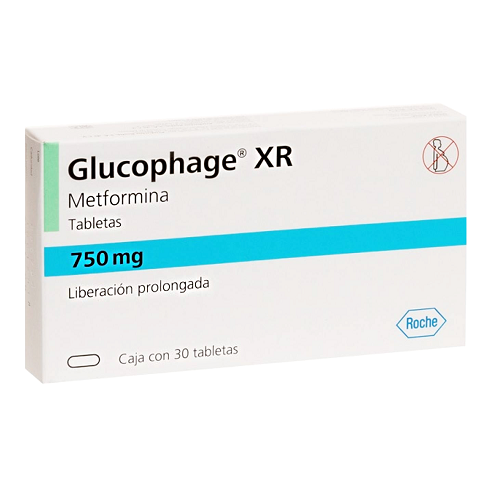
Glucophage is a cornerstone medication for Type 2 Diabetes in the United Kingdom, trusted by clinicians and patients alike. It contains metformin, a drug with decades of real-world evidence behind it—yet what most people miss is that how, when, and where you start Glucophage can shape your experience more than the drug itself. Before you buy Glucophage or even search for Glucophage online, know this: your journey with it is as much about you as it is about the pill.
Why Glucophage Sits at the Heart of Type 2 Diabetes Care in the UK
It’s late afternoon in a bustling NHS clinic, and the question echoes down the corridor: “Is Glucophage really the first step for everyone these days?” For thousands newly diagnosed with Type 2 Diabetes in the United Kingdom, Glucophage is more than just a prescription—it’s an entire approach to care, shaped by decades of evidence, economics, and lived experience.
Clinicians reach for Glucophage not out of habit but out of conviction. The National Institute for Health and Care Excellence (NICE) guidelines consistently place it as first-line therapy for most adults. This is not a decision made lightly: it reflects a balance of effectiveness, tolerability, safety, and cost that few alternatives can match in the UK context.
- Evidence: Metformin, the active ingredient in Glucophage, has outlasted trends, rival drugs, and even the odd pharmaceutical scandal. Its impact on blood sugar is well proven, but more importantly, it does so without causing weight gain or significant risk of low blood sugar—a combination that others rarely offer.
- Cost: The NHS reality? Glucophage is affordable and widely stocked. If you’re searching for “Glucophage cheap” or “Glucophage in pharmacy”, you’ll likely find it far more accessible than newer brands.
- Safety: For most, the risk profile is less daunting than with many diabetes drugs. But “less daunting” does not mean “no risk”—a nuance that deserves its own section, below.
Did you know?
Over 80% of new Type 2 Diabetes prescriptions in the UK start with Glucophage or a generic metformin—often before diet or lifestyle changes have had a chance to show their full effect.
This ubiquity breeds familiarity, but also a dangerous casualness. Glucophage is not “just” a diabetes pill. Its place in your life will depend as much on your kidneys, your stomach, and your routines as on your blood test results.
What Glucophage Really Means for Your Daily Life
Starting Glucophage isn’t just a clinical milestone—it’s a shift in the way you eat, move, and think about your health. The first morning you swallow that tablet, you may expect instant changes. In reality, the effects unfold quietly and unevenly: some feel better within weeks, others see results only after months, and a few grapple with side effects that send them searching for alternatives.
It’s normal to feel frustrated when your blood sugar numbers don’t budge overnight. Glucophage works gradually, and individual response varies. Some people experience stomach issues early on, but for most, these settle after a few weeks.
Metformin is known for its subtlety. Rather than hammering blood sugar down, it works by reducing the amount of glucose your liver sends out and making your body’s cells more sensitive to the insulin you already produce. For many, this means fewer peaks and troughs in energy—one reason Glucophage stands apart from drugs that simply push more insulin into your system.
- Most patients tolerate Glucophage well, but gastrointestinal symptoms—nausea, bloating, diarrhoea—are among the most common early complaints.
- Taking the tablet with food, or switching to the extended-release version, can help. UK GPs are familiar with these strategies and often adjust your prescription if you struggle at first.
- Weight neutrality: Unlike some diabetes drugs, Glucophage is unlikely to cause weight gain—and may even help with modest weight loss in some patients.
Still, every patient’s story is unique. If you’re worried about how Glucophage will fit into your daily routine, or if you need “Glucophage in pharmacy” advice about timing and formulation, your local pharmacist can often offer as much practical guidance as your GP.
How Glucophage Compares: Metformin vs. Other Diabetes Medications
It’s tempting to think of diabetes drugs as interchangeable, but in the UK, Glucophage is chosen and prescribed for reasons that go far beyond blood sugar numbers. This table lays out how Glucophage stacks up against two common alternatives: gliclazide (a sulfonylurea) and empagliflozin (an SGLT2 inhibitor).
| Attribute | Glucophage (Metformin) | Gliclazide (Sulfonylurea) | Empagliflozin (SGLT2 Inhibitor) |
|---|---|---|---|
| Mechanism | Reduces liver glucose production; increases insulin sensitivity | Stimulates pancreas to release more insulin | Increases glucose excretion via urine |
| Blood Sugar Effectiveness | Proven moderate reduction; first-line therapy | Significant reduction; often used if metformin unsuitable | Moderate reduction; often add-on therapy |
| Weight Impact | Neutral or slight loss | Potential weight gain | Loss |
| Low Blood Sugar Risk | Rare | Common, especially in elderly | Rare |
| Typical Side Effects | Stomach upset, diarrhoea | Low blood sugar, weight gain | Urinary/genital infections, dehydration |
| Prescription Status (UK) | Prescription only | Prescription only | Prescription only |
| Cost (NHS) | Very affordable; widely reimbursed | Affordable; reimbursed | High; reimbursement rules apply |
| Who Should Avoid | Severe kidney/liver disease; acute illness | History of severe hypoglycaemia | Kidney impairment, frequent urinary infections |
Glucophage’s enduring appeal isn’t just about price or tradition. It’s about a balance: effective without being dramatic, safe without being bland. For those wondering how to “buy Glucophage” or “order Glucophage online”, remember that alternatives may offer targeted benefits—like heart protection (empagliflozin) or rapid blood sugar drops (gliclazide)—but each comes with trade-offs. In most UK clinics, Glucophage remains the default unless there is a specific reason to change course. Always discuss with your doctor what matters most for your own health, not just the numbers in a table.
The Realities of Buying, Ordering, and Accessing Glucophage in the United Kingdom
Type “buy Glucophage” or “Glucophage without prescription” into your browser, and you’ll be flooded with offers—some legal, some dubious. But before you click “add to basket”, step into the real world of UK medication access: a world shaped by NHS policy, safety checks, and the realities of long-term care.
In the United Kingdom, Glucophage and all metformin-containing products are prescription-only. Any website offering Glucophage without prescription is operating outside UK law and may be unsafe.
Most patients in the UK get Glucophage through their GP or diabetes clinic. Prescriptions can be collected at NHS or community pharmacies, often with same-day dispensing. If you’re searching for “Glucophage in pharmacy”, the answer is almost always yes: nearly every UK pharmacy stocks it, both as the original brand and in generic forms.
- Online Pharmacies: Legitimate UK online pharmacies can dispense Glucophage, but only after an online or telephone consultation with a registered prescriber. This is a legal requirement, not a formality.
- Buying Abroad: Importing Glucophage from overseas websites often bypasses UK safety standards and puts you at risk of counterfeit medication.
- Cost: On the NHS, Glucophage is typically covered by standard prescription charges (currently £9.65 per item, unless exempt). If you need “Glucophage cheap” or “affordable Glucophage”, discuss with your pharmacist—generic metformin is usually the lowest-cost option.
If you’re concerned about ongoing costs, ask your GP about NHS prepayment certificates, which can make long-term medication more affordable for many people with chronic conditions like Type 2 Diabetes.
Trust matters. If you’re considering “Glucophage online”, stick to registered UK-based pharmacies and always confirm their registration with the MHRA. The promise of “Glucophage cheap” might cost you more in safety and peace of mind than you bargained for.
How to Use Glucophage: What Gets Missed in the Leaflet
Instructions matter. But real life rarely unfolds as cleanly as the leaflet suggests. The best outcomes with Glucophage come from marrying the guidance with the quirks of your own body and routine.
- Start Low, Go Slow: Most patients begin with a low dose (usually 500mg once daily) and increase gradually. This isn’t just caution—it’s how you minimise the stomach upset metformin can cause.
- Food Matters: Always take Glucophage with a meal. Skipping this step is the quickest route to nausea and diarrhoea.
- Consistency Wins: Take the tablet at the same time each day if possible. Missed doses don’t usually cause dramatic swings, but consistency helps your body and your blood sugar.
- Extended-Release? Ask: If you struggle with side effects, ask about the extended-release (XR) version—this simple switch can change the whole experience for some.
| Patient Type | Starting Dose | Usual Maintenance Dose | Maximum Dose | Adjustments Needed? |
|---|---|---|---|---|
| Adults (Normal Renal Function) | 500 mg once or twice daily | 1500–2000 mg per day (divided doses) | 2000 mg per day | Increase by 500 mg every 1-2 weeks as tolerated |
| Older Adults (>80, or with renal impairment) | 500 mg once daily | As per kidney function | Usually lower maximum | Frequent kidney monitoring; may need lower dose |
| Children (>10 years, off-label use in UK) | 500 mg once daily | 1000–2000 mg per day | 2000 mg per day | Paediatric specialist advice only |
The right dose is not a test of willpower—if you’re struggling, speak to your GP. Never “double up” if you miss a dose. And if you’re searching for “order Glucophage” or “purchase Glucophage” for the first time, remember: the pill’s power is in the steady habit, not just the milligram number.
Which Side Effects Matter Most with Glucophage—And When to Act
Side effects tell a story. With Glucophage, the opening chapters are usually written in your gut: nausea, bloating, diarrhoea, and a metallic taste that can catch you off-guard. Most of these fade—a fact borne out in both clinical trials and everyday UK practice—but knowing when to worry is as important as knowing what’s “normal”.
- Common effects (like mild stomach symptoms) often resolve within two weeks. Persisting symptoms are a reason to ask about extended-release formulations.
- Very rare, but serious: lactic acidosis—a medical emergency signalled by rapid breathing, unusual tiredness, and muscle pain. This risk is highest in those with kidney problems or acute illness.
- Some people notice a slight drop in vitamin B12 over long periods. Blood tests can monitor this, especially if you develop unexplained fatigue or nerve symptoms.
If you develop severe vomiting, breathing difficulties, muscle aches, or feel unusually cold or drowsy, stop Glucophage and seek urgent medical attention. These can be signs of lactic acidosis, a rare but dangerous complication.
| Side Effect | How Common? | When to Contact Your Doctor |
|---|---|---|
| Nausea / Diarrhoea | Very common (up to 30%) | If severe, persistent, or causes dehydration |
| Metallic Taste | Common (10–20%) | If intolerable or leads to poor food intake |
| Lactic Acidosis | Very rare (<1 in 10,000) | Immediately, if symptoms occur (see above) |
| Vitamin B12 Deficiency | Uncommon (<10%) | If you develop unexplained tiredness or neuropathy |
Most Glucophage side effects are inconvenient, not dangerous. But the signal for action is clear: anything that stops you from eating, makes you unusually unwell, or doesn’t fade after a few weeks deserves a call to your GP, not just a search for “Glucophage online”.
When Glucophage Should Be Left on the Shelf: Who Should Not Take It?
- You have severe kidney disease (eGFR below 30 mL/min/1.73 m²)
- You are experiencing acute heart failure, severe infection, or recent heart attack
- You are drinking heavily or have severe liver impairment
- You are about to undergo major surgery or imaging with injectable contrast dye (without medical advice)
- Your kidney function is declining but not severely impaired
- You have chronic liver disease or are over 80 years old
- You have a history of alcohol misuse
- You are pregnant or planning pregnancy
Every medication carries risks, but with Glucophage, the rare risk of lactic acidosis is magnified in these scenarios. In the UK, prescribers are trained to check your kidney and liver function before starting or renewing Glucophage. If you ever receive “Glucophage without prescription”—whether online or abroad—this safety net may be missing. Your safety is never worth a shortcut.
A Clinician’s View: What Patients Get Wrong About Glucophage
“The biggest misunderstanding I see? Patients believe Glucophage is a ‘gentle’ drug you can take or stop at will. In truth, it’s only gentle if you respect its boundaries. If you stop suddenly, especially after a meal-heavy week or if you’re unwell, your blood sugars can spike. And if you ignore kidney checks or take it during an acute illness, you’re playing with fire. The trick is not just to follow the leaflet, but to build a relationship with your GP and pharmacist. They’ll tell you when it’s safe to pause, when to restart, and how to adjust if your life—or your health—changes.”
— Dr. Sarah Ellis, Consultant in Diabetes Care (United Kingdom)
What’s unsaid in most leaflets is the value of partnership. Glucophage works best not as a solo act but as the anchor of a team: you, your healthcare professionals, and your support network. When doubts arise—about side effects, cost, or effectiveness—don’t search for “buy Glucophage” and hope for the best. Bring the uncertainty to people who know your story.
Frequently Asked Questions about Glucophage in the United Kingdom
- Can I buy Glucophage without prescription in the UK?
- No. In the United Kingdom, Glucophage (metformin) is a prescription-only medicine. Any website or source offering Glucophage without prescription is not operating legally and may provide unsafe or counterfeit medication.
- Is there a difference between Glucophage and generic metformin?
- The active ingredient is the same—metformin. Some people find they tolerate one formulation better, but clinically, Glucophage and generic versions should control blood sugar equally. If cost is a concern, generic metformin is typically the most affordable option at UK pharmacies.
- How do I order Glucophage online safely in the UK?
- You can order Glucophage online from registered UK online pharmacies, but a valid prescription (or online consultation) is always required. Never buy from overseas sites that skip these checks—they may be illegal or unsafe.
- What should I do if I miss a dose of Glucophage?
- If you forget a dose, skip it and take your next dose at the usual time. Do not double up to make up for a missed dose. Consistency is important, but one missed tablet is unlikely to cause harm. If you miss doses frequently, discuss this with your GP or pharmacist.
- Why do some people stop Glucophage due to side effects?
- Stomach upset is the most common reason people stop or switch. For most, these symptoms fade after a couple of weeks. Taking Glucophage with food and asking about extended-release versions can help. Don’t stop without speaking to your doctor—adjustments and alternatives are available.
- Can I purchase Glucophage if I have mild kidney problems?
- You can usually take Glucophage with mild or moderate kidney impairment, but doses may need adjustment and monitoring. Severe kidney disease is an absolute contraindication. Always discuss your kidney function with your healthcare team before starting or continuing Glucophage.
- Is Glucophage affordable in the UK without insurance?
- Yes. On the NHS, Glucophage is covered by the standard prescription charge. Many people with diabetes are eligible for free prescriptions or prepayment certificates, making long-term use more affordable. Ask your pharmacist about cost-saving options if you are concerned.
- Can I switch from another diabetes medication to Glucophage?
- Switching is possible, but it depends on your blood sugar control, side effect profile, and individual health needs. Never stop or switch medications without consulting your doctor, as some drugs need to be tapered or require specific safety checks.
Sources / References
- Metformin: NHS Medicines A–Z, NHS
- Type 2 Diabetes in Adults: Management (NG28), NICE
- Medicines and Healthcare products Regulatory Agency (MHRA), UK Government
- Glucophage (Metformin) Summary of Product Characteristics, Merck
- Metformin | Diabetes UK
- European Medicines Agency (EMA)